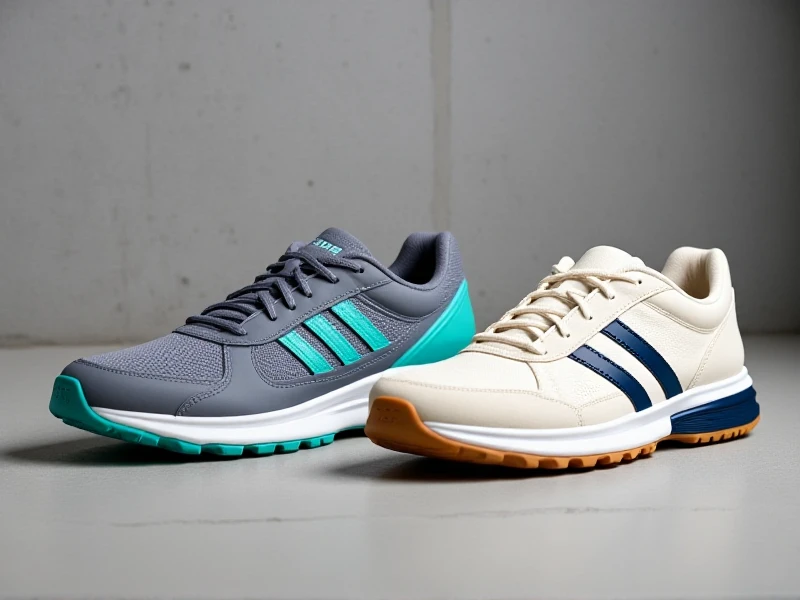
Your Ultimate Guide to Finding the Perfect Sports Shoes
Finding the ideal pair of sports shoes isn't just about aesthetics; it's about unlocking performance, preventing injury, and maximizing comfort during every workout. With countless options flooding the market, pinpointing the right pair for your specific needs can feel overwhelming. This guide breaks down the essentials to help you navigate the world of sports shoes with confidence.
Know Your Activity: Understanding your primary sport is critical. Running shoes prioritize cushioning, breathability, and forward motion stability. Basketball footwear demands ankle support, lateral stability for quick cuts, and responsive cushioning for jumps. Cross-training shoes offer versatility with support for multi-directional movements and lifting. Hiking shoes focus on rugged outsoles for traction on trails and sturdy ankle support. Using sport-specific athletic footwear ensures the design supports the unique demands of your activity, improving both performance and safety.
Fit is Paramount – Comfort is Crucial: Never compromise on fit. Your athletic shoes should feel secure, not tight, throughout your entire foot. Consider sizing:
- Shop Later: Feet swell throughout the day. Shop in the afternoon for the most accurate fit.
- Arch Matters: Know your arch type (neutral, flat, high). Many sports shoes cater to specific arch support needs.
- Thumb's Rule: Ensure about a thumb's width of space between your longest toe and the shoe's end.
- Socks Count: Wear the type of athletic socks you’ll use while exercising when trying them on.
- Lace It Right: Proper lacing secures your foot without constriction. Ill-fitting trainers contribute significantly to blisters, heel pain, and even knee issues.
Embrace Modern Technology: Leading brands continuously innovate. Explore technologies like:
- Enhanced Cushioning: Materials like EVA foam, gel pods, or proprietary systems (Zoom Air, Boost) absorb impact and provide responsive energy return.
- Stability Systems: Elements integrated into the midsole or sole unit guide the foot through its natural motion, ideal for overpronators.
- Ultra-lightweight Materials: Fabrics like engineered mesh promote breathability and reduce weight for effortless movement.
- Rugged Outsoles: Durable rubber compounds with aggressive tread patterns offer superior grip on various terrains.
Don't Forget Maintenance & Replacement: Even the best sports shoes wear out. The cushioning compresses over time, reducing shock absorption and support, which can increase injury risk. Regularly inspect your athletic shoes, looking for uneven wear on the sole, visible creasing in the midsole foam, or loss of comfort. Replace your sports shoes roughly every 300-500 miles (or sooner if active daily). Rotating between two pairs helps extend their life by allowing materials time to decompress.
Investing time in selecting the right sports shoes tailored to your feet and activities directly impacts your performance, comfort, and long-term joint health. Focus on the correct fit, appropriate function, and technological benefits – happy feet lead to happier, more effective workouts! Ready to explore your perfect fit?