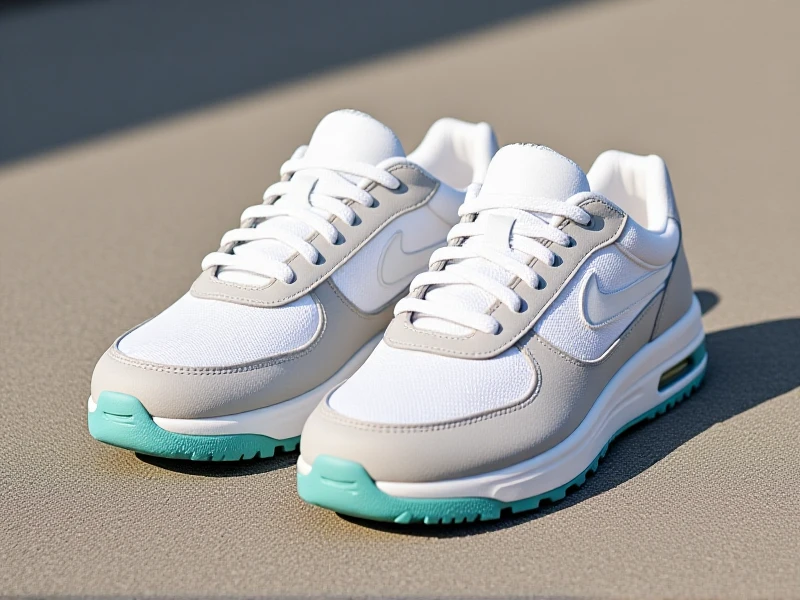
The Ultimate Guide to Choosing Sports Shoes in 2023
Finding the perfect pair of sports shoes can feel overwhelming. With countless brands, styles, and technologies flooding the market, how do you know which ones are genuinely right for your feet and your activity? It's crucial – because the wrong sports shoes aren't just uncomfortable; they can lead to aches, pains, and even injuries.
Beyond Fashion: Fit is King The most vital factor isn't the brand name or the flashiest tech. It's fit. Ill-fitting athletic shoes impede performance and cause blisters or worse. Always try shoes on later in the day when feet are naturally slightly swollen. Ensure about a thumbnail's width of space between your longest toe and the shoe's end. The heel should be snug, not slipping, and the midfoot should feel secure without pinching.
Your Foot Type Matters Are your feet flat, high-arched, or neutral? This hugely impacts the support you need. Observe an old pair of worn sports shoes: excessive inward tilt (overpronation) might necessitate stability or motion control shoes with firmer arch support. Worn mostly on the outer edge (underpronation/supination) could mean cushioned, flexible shoes are better. If the wear is even, neutral cushioning generally works well. When in doubt, a gait analysis at a reputable sports retailer is invaluable.
Match the Shoe to Your Sport Generic "sports shoes" exist, but true performance comes from specialization:
- Running: Designed for forward motion heel-to-toe. Prioritize cushioning or stability based on your gait and distance. Road runners need traction; trail shoes demand grippier soles.
- Basketball/Volleyball: High-tops or supportive mids offer ankle stability for quick lateral moves. Look for responsive cushioning.
- Tennis/Squash: Require stability for side-to-side motion and durability for frequent toe-dragging.
- Walking: Softer flex, comfortable cushioning, and breathable materials.
- Cross-Training/Gym: Aim for versatility, supportive for various movements – lateral stability, cushioning for jumps, and a solid base for weightlifting. Think 'do-it-all' stability.
Don't Ignore the Tech & Materials While fit and purpose trump all, modern features enhance the experience:
- Cushioning Tech (E.g., Nike Air, Adidas Boost, ASICS GEL): Absorbs impact. Choose softness vs. responsiveness based on preference.
- Uppers: Engineered mesh offers lightweight breathability. Knit provides a sock-like fit. Synthetics offer support and durability. Consider your climate and breathability needs.
- Outsoles: Carbon rubber delivers durability in high-wear areas. Blown rubber is lighter and often grippier. Deep lugs are essential for trail shoes.
- Sustainability Focus: Many top brands now offer lines featuring recycled materials (like Parley Ocean Plastic) or sustainable production practices – a growing priority for many athletes.
Pro Tips for Longevity & Comfort
- Rotate: If you train frequently, rotate between two pairs to let midsole cushioning fully recover.
- Know the Lifespan: Most running shoes provide optimal support for 300-500 miles. Mark your calendar! Worn cushioning drastically reduces shock absorption.
- Socks Count: Performance socks wick sweat and reduce friction, preventing blisters. Avoid cotton.
- Replace Insoles: Many factory insoles break down quickly. Quality aftermarket insoles can provide significant support and comfort improvements.
Choosing the ideal sports shoes is an investment in your performance, comfort, and injury prevention. Take the time to assess your foot, your activity, and prioritize a precise fit. Remember that innovation in athletic footwear continues rapidly, so staying informed helps you leverage technology effectively. Visit knowledgeable retailers, potentially get your gait analysed, and test shoes before committing. Your feet – and your future self – will thank you for making an informed decision when searching for your next essential pair of athletic footwear. Step into comfort and performance!