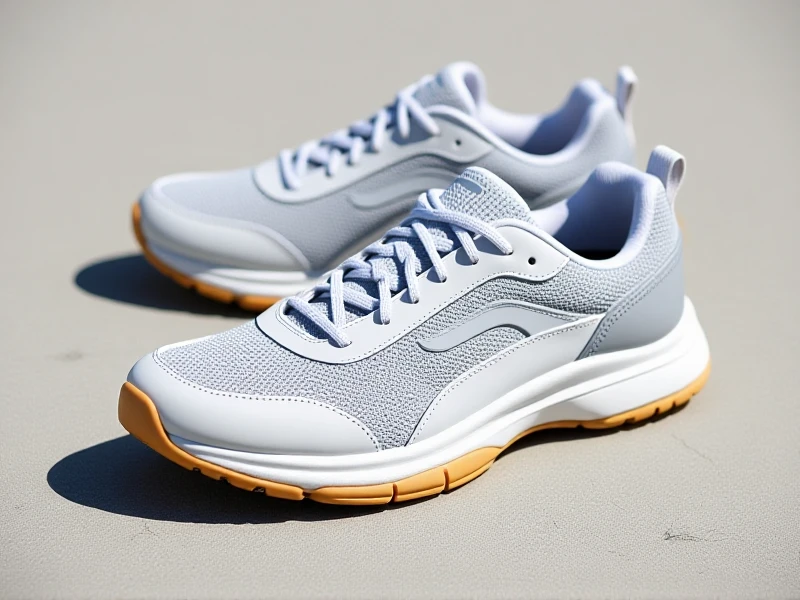
The Ultimate Guide to Choosing Sports Shoes for Peak Performance
Ever struggled with sore feet or injuries after a workout? It's probably due to worn-out or poorly fitted sports shoes. As an athlete myself, I've learned that investing in high-quality sports shoes isn't just about comfort—it's essential for boosting your game, preventing injuries, and enjoying every step of your active lifestyle. Whether you're a runner, gym enthusiast, or weekend hiker, the right pair can make all the difference. In this guide, I'll break down why sports shoes matter so much, how to pick the best ones, and tips to keep them in top shape. Stick with me, and you'll never look at your workout gear the same way again.
First off, sports shoes are specially designed to support your feet during different activities. For runners, shoes like Nike's Flyknit series offer lightweight cushioning that absorbs impact on hard surfaces. If you're into court sports like basketball, opt for models with extra ankle support, like Adidas' popular trainers. And for everyday gym workouts, cross-training shoes provide versatility without compromising stability. Choosing the wrong type can lead to pain—trust me, I learned that the hard way! Focus on your specific sport: running shoes prioritize speed and shock absorption, while hiking versions emphasize grip and durability. Always try them on in-store or refer to size charts online; a snug yet breathable fit reduces blisters and enhances performance.
When selecting sports shoes, key features to consider include cushioning, arch support, and material. Aim for advanced soles like EVA foam or gel inserts—they cushion your joints and add a spring to your step. Breathable fabrics like mesh panels keep your feet cool during intense sessions, preventing sweat buildup that can cause slips. Don't forget sizing: measure your feet before buying, and remember, they swell when active, so leave a little room. Brands like ASICS and New Balance excel in custom fits for varying foot shapes. Personally, I rotate my sports shoes every 6-12 months to avoid wear-related injuries. Worn-out treads or compressed cushioning signal it's time for a replacement; this simple habit has saved my ankles countless times over the years.
The benefits of investing in good sports shoes go beyond just comfort. They reduce injury risks from strains or sprains, improve endurance by distributing weight evenly, and even boost mental focus—you'll feel more energized pushing through that final mile. Plus, with stylish designs today, they double as everyday wear without scrimping on function. To maintain them, hand-wash gently and avoid tossing them in the dryer. Store them in a cool, dry spot to preserve their structure. In short, top-notch sports shoes are a game-changer for any fitness journey. Now, lace up with confidence and conquer your next challenge—you won't regret it!